Sommaire
1. A strong, integrated industry
2. A key market for product launches in Europe
3. Global competition is shifting the balance of power
4. Preserving attractiveness and healthcare sovereignty
Germany leads Europe’s pharmaceutical industry and controls the entire value chain, from research and development to production and marketing. Its strengths lie in the synergy between pharmaceutical companies, biotech firms, manufacturing sites and subcontractors; however, this integrated model faces growing international competition in terms of attractiveness.

CitationGermany has a comprehensive ecosystem capable of fostering innovation, conducting clinical trials and producing on a large scale. However, this strength does not shield it from global competition. For Berlin, the challenge lies in turning its long-standing advantages into lasting strenghts. Preserving this value chain requires balancing access to treatments, control over healthcare expenditure and industrial competitiveness.
More broadly, the aim is to safeguard investment, skilled jobs and European health sovereignty through cross-border pharmaceutical cooperation, with Germany acting as the driving force.
Germany’s strength rests on its long-standing chemical industry and a dense network of major groups, SMEs and biotech firms. Bayer (group turnover of around €46 billion in 2025), Boehringer Ingelheim (€27.8 billion in 2025) and Merck KGaA (€21 billion in 2025) are the leading players.
Germany also attracts foreign pharmaceutical companies, which can set up operations there or outsource part of their activities. As outsourcing in the sector grows, Germany benefits from an established network of CDMOs (Contract Development and Manufacturing Organisations), which specialise in the development and manufacture of medicines on behalf of third parties. The country leads the way in Europe with 98 contract manufacturing sites, compared with 91 in both France and Italy. This figure illustrates the density of Germany’s industrial infrastructure and its ability to attract projects and secure supplies.
Beyond its production capabilities, Germany is also a hub for pharmaceutical innovation. The German company BioNTech is a case in point: by developing, alongside Pfizer, one of the first mRNA vaccines against Covid-19, it has demonstrated the German ecosystem’s ability to foster scientific innovation and scale up production. The country also remains a major player in clinical research, ranking second in Europe for participation in clinical trials, after Spain.
With a market estimated at €63 billion in 2026, Germany is Europe’s largest pharmaceutical market by value. Its population, healthcare infrastructure and ageing demographic drive demand.
Beyond its size, the German market plays a strategic role in decisions on launching medicines in Europe. Relatively favourable access conditions and shorter lead times often make it a preferred entry point for innovative treatments in Europe.
According to the European Federation of Pharmaceutical Industries and Associations’ (EFPIA) W.A.I.T. 2025 Patient Indicator, 156 of the 168 innovative medicines that received centralised marketing authorisation between 2021 and 2024 were available in Germany – the highest number in Europe.
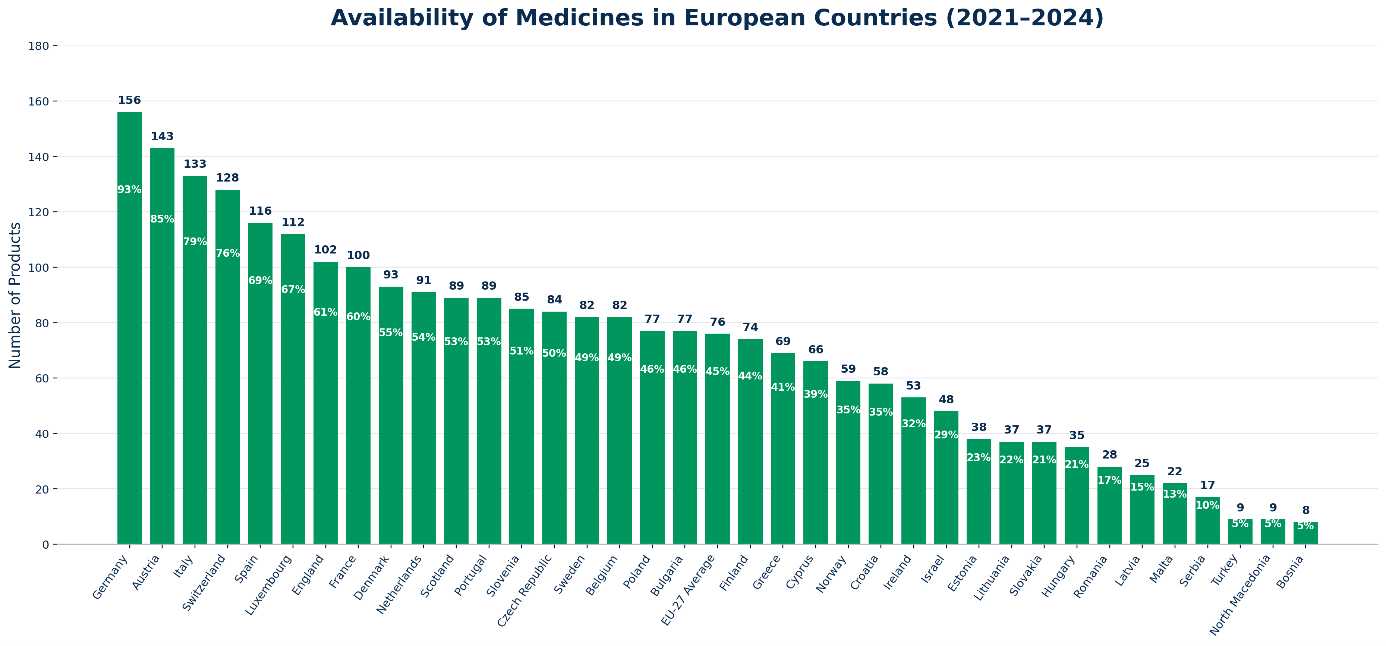
Recent investments, such as those by Eli Lilly in Alzey (€2.3 billion1) and by Sanofi in insulin production in Frankfurt2 (€1.3 billion), demonstrate the strong appeal of the German pharmaceutical ecosystem.
Global competition is shifting the balance of power
In a globalised market, pharmaceutical companies allocate their activities according to market size, expected revenues, economic and regulatory conditions, and the comprehensiveness of the ecosystem. Countries have entered a race to attract investment and encourage the launch of new treatments within their borders.
Like its European neighbours, Germany operates in a fragmented market, where each country negotiates prices and reimbursement terms. The US market, which is more integrated and plays a decisive role in pharmaceutical companies’ revenues, exerts a strong influence on their strategic choices. This competition results in significant global imbalances: the United States accounts for over 50 per cent of drug sales by value, compared with around 4 per cent for Germany. The higher profitability of the US market also makes it indispensable for pharmaceutical companies.
Recent policy moves in Washington could exacerbate this trend. The Most Favoured Nation (MFN) clause3 aims to reduce certain medicine prices in the United States, whilst incentives for domestic production are designed to attract industrial investment there. Taken together, these measures could further channel capital and production capacity towards the United States, to the detriment of Europe.
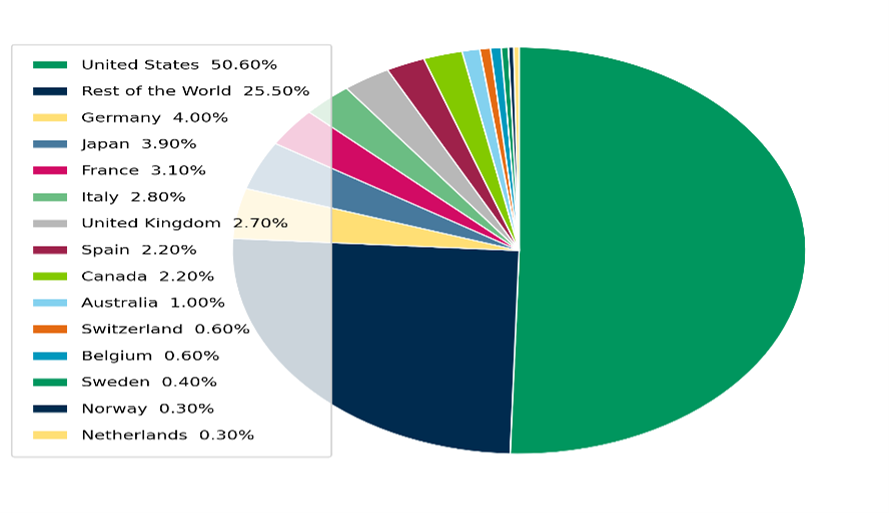
Germany has a comprehensive ecosystem capable of fostering innovation, conducting clinical trials and producing on a large scale. However, this strength does not shield it from global competition. For Berlin, the challenge lies in turning its long-standing advantages into lasting strenghts. Preserving this value chain requires balancing access to treatments, control over healthcare expenditure and industrial competitiveness.
More broadly, the aim is to safeguard investment, skilled jobs and European health sovereignty through cross-border pharmaceutical cooperation, with Germany acting as the driving force.
_________________
2 Sanofi in Deutschland Pressemitteilung: Sanofi plant den Bau einer hochmodernen Insulinproduktionsanlage an seinem BioCampus in Frankfurt